Circular Ring 2 PPG and ECG Sensors: A Closer Look at Smart Ring Health Monitoring Technology
This exploratory analysis examines the photodiode, LED emitters, ECG electrodes, and package architecture that enable continuous biometric monitoring in one of the industry's most compact wearable devices.
The Circular Ring 2, marketed as the world's slimmest smart ring, packs advanced health monitoring technology into an ultra-compact form factor. TechInsights' Device Essentials Exploratory Analysis examines the ring's optical Photoplethysmography (PPG) sensor and electrical Electrocardiogram (ECG) sensor, providing insight into the semiconductor devices and packaging technologies enabling continuous health tracking.
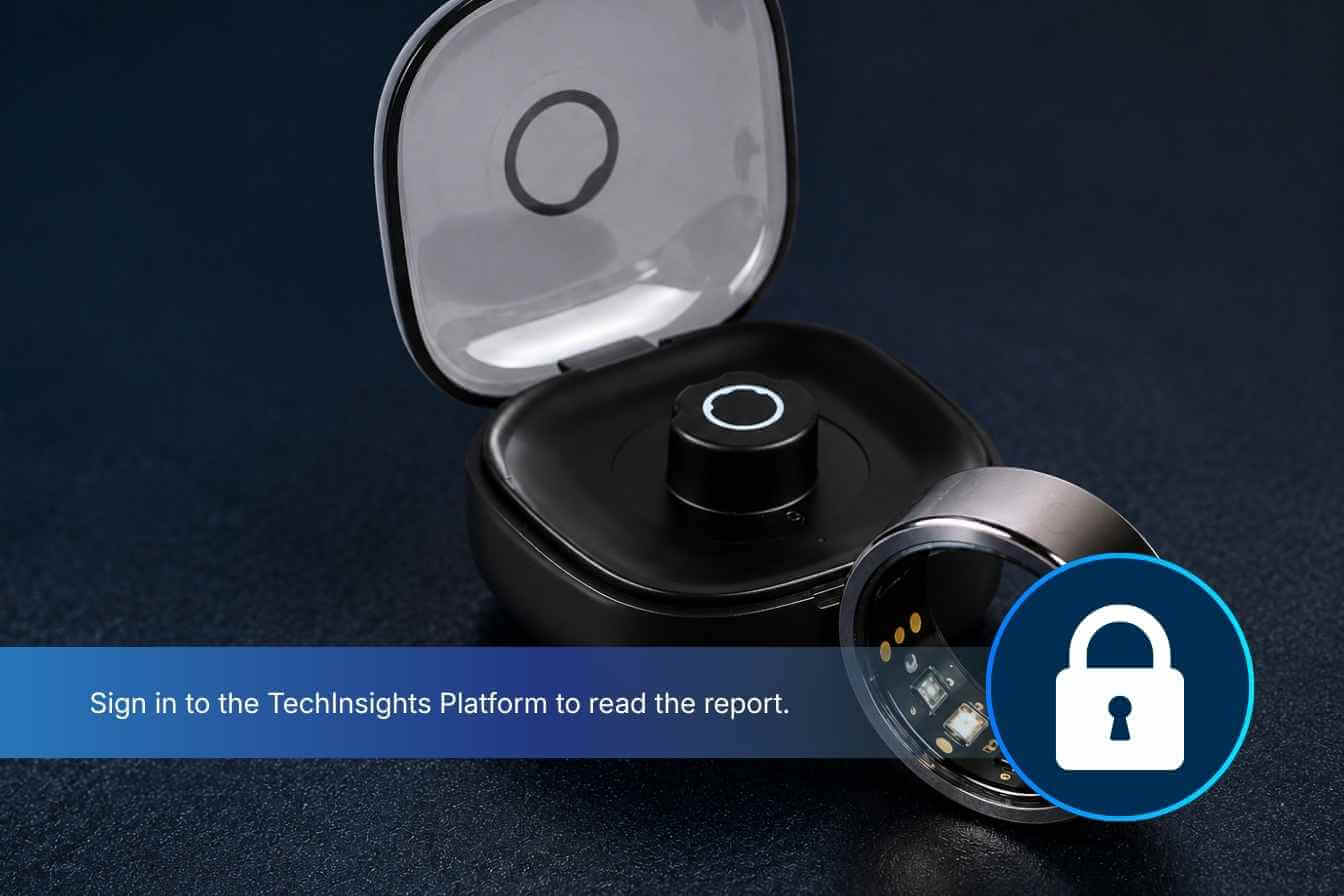
Figure 1 – TechInsights analyzes the Circular Ring 2's optical PPG and electrical ECG sensors, revealing the semiconductor, packaging, and health-monitoring technologies inside one of the world's slimmest smart rings. (Source: TechInsights)
The Circular Ring 2 integrates both optical and electrical sensing technologies within an exceptionally compact form factor. Its PPG (Photoplethysmography) sensor features a transparent lens window that reveals the internal arrangement of the sensing components, including a light-receiving photodiode (PD) and six LEDs. The PPG module combines green, red, and infrared emitters to support continuous biometric monitoring, with the infrared LED die measuring 450 µm × 470 µm and the green and red LED dies each measuring 270 µm × 280 µm.
Complementing the optical sensor is an ECG (Electrocardiogram) system that uses two electrodes—one positioned on the inner surface of the ring and the other on the exterior—to measure electrical heart activity. Analysis of the photodiode structure revealed a silicon substrate, aluminum bond pads, and a likely anti-reflective coating approximately 50 nm thick designed to improve optical performance. Gold ball bumps provide electrical interconnection within the package, highlighting the advanced packaging and miniaturization techniques required to deliver sophisticated health-monitoring capabilities in one of the world's slimmest smart rings.
The report includes teardown images, optical die photography, SEM cross-sections, package analysis, and manufacturing insights, including foundry identification where possible.