AI Is Driving the Semiconductor Industry Toward a $2 Trillion Market
New TechInsights analysis reveals how artificial intelligence is reshaping semiconductor economics, supply chains, and technology roadmaps
Artificial intelligence is transforming the semiconductor industry faster than any previous technology cycle. According to TechInsights analysis, semiconductor revenues are on track to exceed $2 trillion by 2027, just one year after surpassing the $1 trillion milestone. The catalyst behind this extraordinary growth is the unprecedented wave of AI infrastructure investment from hyperscalers, cloud providers, and enterprises worldwide.
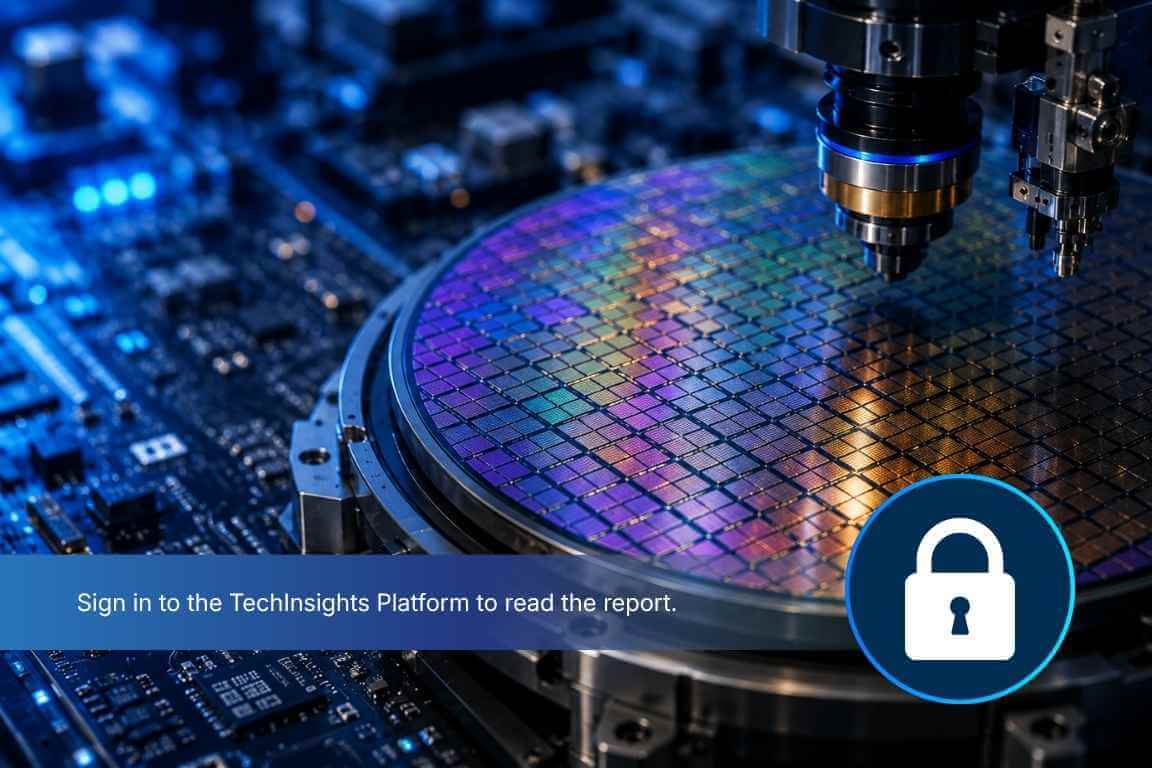
Figure 1 – TechInsights forecasts the semiconductor industry will exceed $2 trillion by 2027, fueled by AI infrastructure investments, datacenter growth, advanced packaging, and accelerating compute demand. (Source: TechInsights)
But what is driving this growth, and why is it different from previous semiconductor booms?
Unlike traditional semiconductor markets, which focused on lowering costs for PCs, smartphones, and consumer electronics, AI is rewarding performance at a premium. The four largest U.S. hyperscalers alone are expected to spend $718 billion in capital expenditures in 2026, representing a 48% CAGR since 2022. These investments are fueling demand for AI accelerators, high-bandwidth memory (HBM), advanced packaging, networking, and specialized compute architectures.
Which semiconductor segments stand to benefit the most?
While AI accelerators remain the headline story, the opportunity extends much further. TechInsights expects datacenter processors alone to add more than $100 billion in market value by 2027, while demand for CPUs, memory, networking silicon, optical interconnects, and power management solutions continues to accelerate. The ripple effects are reshaping technology roadmaps and investment priorities throughout the industry.
How is AI changing semiconductor supply chains?
The race to build AI infrastructure is intensifying competition for leading-edge wafer capacity, advanced packaging, and memory. Foundries are increasingly prioritizing high-margin AI devices, while advanced packaging technologies such as 2.5D integration, 3D stacking, and hybrid bonding have become critical enablers of next-generation AI systems. At the same time, geopolitical tensions and export controls are forcing companies to rethink sourcing, manufacturing, and ecosystem partnerships. Growth will be uneven: for industry players outside the AI ecosystem, sourcing is becoming increasingly problematic as investment and production focuses on satisfying AI market needs.
Will the semiconductor market really reach $2 trillion?
TechInsights believes AI is not simply creating another semiconductor growth cycle, it is fundamentally rewriting the economics of the semiconductor industry. As AI expands from datacenters into edge devices, autonomous systems, and physical AI applications, demand for accelerated computing is expected to remain a long-term growth driver. The result is a market that is growing larger, more valuable, and more strategically important than ever before.