What's Actually Inside Your Competitor's Product? How Manufacturers Use Teardown Analysis to Decode Supplier Strategies
Discover how teardown analysis reveals the supplier relationships, component strategies, and sourcing patterns embedded in leading brand products.
10 Min Read April 23, 2026
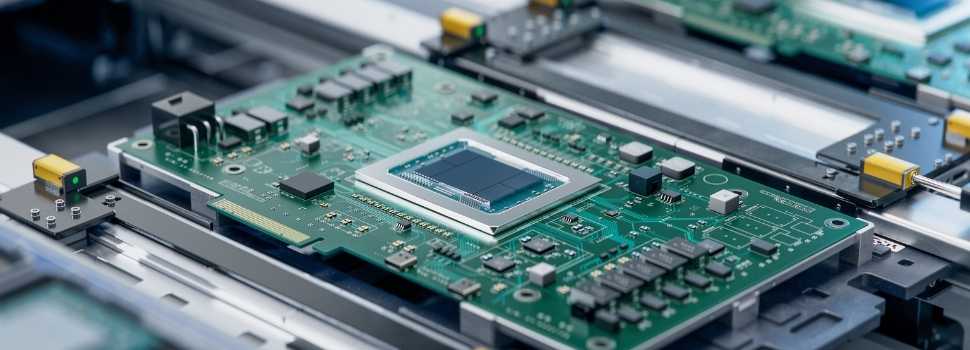
Every product your competitors ship contains a story your procurement and supply chain teams need to read.
Published specifications tell you what a product does. Teardown analysis tells you how it was built—which suppliers were selected, what components were used, what those components cost, and how sourcing decisions were structured across the full bill of materials. For product manufacturers navigating complex sourcing decisions, this is exactly the intelligence that changes how decisions get made.
The Problem with Traditional Sourcing Intelligence
Supply chain and procurement teams are good at working with the information available to them. Supplier databases. Analyst reports. Spec sheets. Internal benchmarks. The challenge isn't a lack of effort—it's that none of these sources tell you what leading brands actually chose when they built their products.
Which memory supplier did the market leader select for their flagship device? Which power management IC appears across three competing products at the premium tier? Which emerging connectivity supplier just won design spots in four of the last six major product releases in your category?
These aren't hypotheticals. They're the questions procurement managers, supply chain directors, and commodity managers need answered—and traditional intelligence sources can't answer them.
Teardown Analysis: Supplier Intelligence from the Inside Out
Device teardown analysis physically disassembles competitor products and identifies the components inside them. Not estimated sourcing. Not inferred supply relationships. Verified component identification with supplier attribution across the full bill of materials.
TechInsights has been conducting systematic teardown analysis for 30 years, building a database of 15,000+ teardowns across consumer electronics, automotive, enterprise, and industrial categories. Each teardown extracts 3,000+ metrics, including component identification, supplier attribution, and BOM cost estimation. The result is a searchable, longitudinal record of how leading brands have structured their component sourcing—and how those strategies have evolved.
Four Capabilities That Change Sourcing Decisions
The white paper, Sourcing Intelligence from the Inside Out, examines four specific capabilities that teardown-based intelligence provides for supply chain and procurement teams:
- Component-level supplier identification: Know which suppliers leading brands actually selected—not estimated or inferred, but verified through physical teardown—across semiconductor components, displays, cameras, power management, connectivity, and more.
- Supply chain structure analysis: Understand how competitors balance single-source and multi-source approaches across component categories, revealing validated diversification frameworks grounded in competitive practice.
- BOM cost benchmarking: Compare your component costs against teardown-derived estimates from competing products to identify where competitors are achieving cost structures your team hasn't matched—and what sourcing changes might close the gap.
- Supplier adoption trend tracking: Monitor which suppliers are gaining or losing design wins across product generations before those shifts appear in market reports, giving commodity managers a forward-looking view of supplier market dynamics.
Who Uses This Intelligence—and How
Supply chain directors use teardown data to benchmark structural sourcing decisions: where are competitors concentrating sourcing risk, where have they invested in diversification, and which sourcing models have been validated across the competitive landscape?
Procurement managers use it to evaluate supplier candidates with evidence of competitive adoption. Rather than choosing between three suppliers based solely on spec sheets and sales presentations, they can see which suppliers leading brands have validated through actual product integration.
Commodity managers use longitudinal teardown data to track supplier adoption trends across product generations—identifying emerging suppliers gaining design wins before that momentum appears in market share reports.
Competitive Intelligence Grounded in Reality
The difference between reactive and strategic sourcing lies in competitive context. Manufacturers who understand how leading brands source components, structure supply chains, and select suppliers make decisions backed by verified intelligence rather than informed guesses.
TechInsights teardown analysis provides that context—verified, component-level, and current.
Explore our Whitepaper
Sourcing Intelligence from the Inside Out: How Product Manufacturers Use Teardown Analysis to Identify Supplier Relationships, Component Strategies, and Supply Chain Patterns of Leading Brands — available at techinsights.com