EdgeCortix Sakura II Expands DNA Architecture for Generative AI at the Edge
2 Min Read November 18, 2025
Discover how EdgeCortix’s Sakura II brings adaptive, efficient compute to edge AI, supporting transformer and multimodal workloads beyond traditional accelerators.
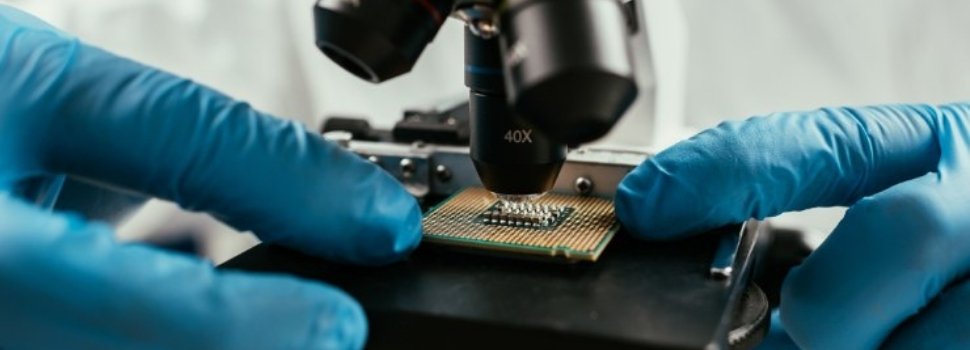
EdgeCortix’s second-generation Sakura II processor builds on its original design by expanding its scope beyond vision inference into the broader demands of Generative AI. The device leverages the company’s Dynamic Neural Accelerator (DNA) architecture, now refined to support transformer-based models, multimodal workloads, and diffusion networks with a focus on sustained efficiency rather than peak numbers. What’s notable is Sakura II’s ability to balance energy efficiency and computational depth for high-performance AI at the edge without the footprint of datacenter-class processors. Where traditional accelerators optimize for a narrow set of workloads, Sakura II dynamically adapts its architecture to maintain high utilization across a diverse model mix. The result is a processor that positions itself between milliwatt-class NPUs and power-hungry embedded systems.
This summary outlines the analysis* found on the TechInsights' Platform.
*Some analyses may only be available with a paid subscription.