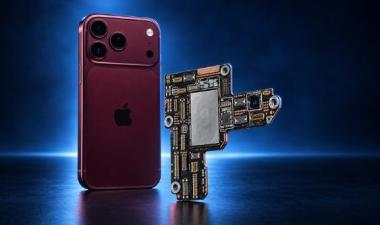
DRAM Market Update Q2 2026: Why This Cycle Looks Different
In the second quarter of 2026, pricing outperformed prior forecasts, demand remained resilient, and industry projections moved higher once again. While AI remains the dominant growth catalyst, the latest revisions point to broader structural changes across the memory ecosystem.
One of the most significant developments is the emergence of agentic AI as a driver of mainstream DRAM demand. As AI workloads increasingly rely on processor-intensive orchestration, server architectures are shifting from CPU-to-GPU ratios of roughly 1:4 toward 1:1. The result is growing demand not only for HBM, but also for DDR5 and LPDDR5 system memory.
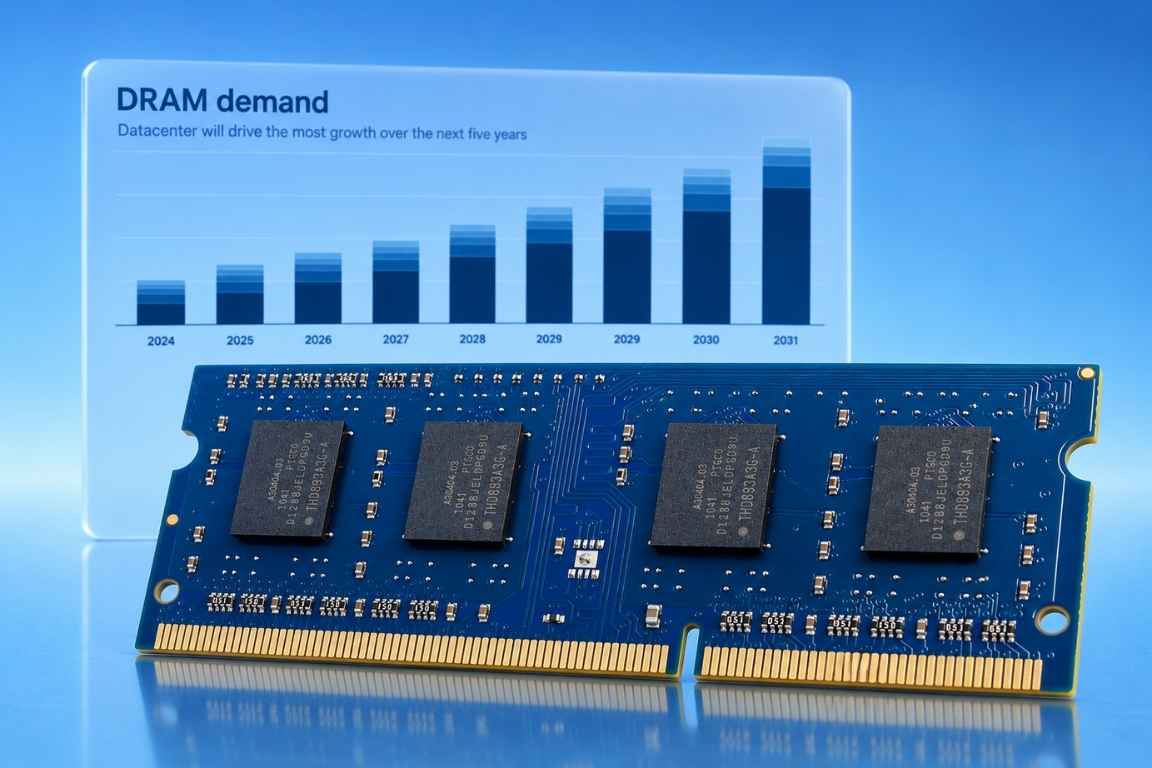
Figure 1 – Stronger-than-expected demand, rising AI memory requirements, evolving procurement models, and record profitability are transforming the DRAM market. (Source: TechInsights)
Customer purchasing behavior is changing
Long-term supply agreements are becoming more common among large buyers, reducing dependence on spot-market procurement and potentially moderating the volatility that has historically characterized DRAM cycles. The industry's long-term operating margins are increasingly expected to settle above prior-cycle averages. The financial implications are substantial, with Samsung, SK hynix, and Micron expected to generate approximately $1.7 trillion in DRAM operating income and $1.3 trillion in free cash flow between 2026 and 2028. The roughly $300 billion in free cash flow expected in 2026 alone exceeds the cumulative DRAM free cash flow generated by these companies throughout the entire previous decade by approximately 65%.
Technology transitions are creating additional shifts in market economics, with HBM currently selling at near price parity with conventional DRAM, despite costing roughly three times more to manufacture. TechInsights expects that relationship to change as AI infrastructure demand continues to accelerate, with HBM pricing projected to widen its premium relative to non-HBM memory through the remainder of the decade.
Current forecasts may not fully capture the impact of physical AI
Humanoid robotics, autonomous industrial systems, and embedded edge inference remain largely absent from today's demand models. If adoption follows a trajectory similar to generative AI, memory demand could exceed current expectations in the latter half of the decade.
Sign in to the TechInsights Platform to learn:
- Near-term and long-term memory market outlook through 2031
- DRAM Demand analysis across AI, server, mobile, and emerging applications
- Agentic AI and its impact on system memory requirements
- HBM, DDR5, and future memory technology roadmaps
- Proprietary supply, manufacturing, and capacity outlooks