Apple iPhone 17 Pro Max Teardown: A19 Pro, New mmWave System, and Upgraded Cameras Revealed
The Apple iPhone 17 Pro Max (A3257) introduces major changes to Apple's flagship smartphone architecture, including a new mmWave subsystem, upgraded camera hardware, the Apple N1 WiFi 7 module, and the latest A19 Pro processor.
TechInsights' teardown analysis identified 39 new components, with 34% belonging to the RF subsystem, highlighting Apple's increased investment in wireless connectivity and 5G performance.
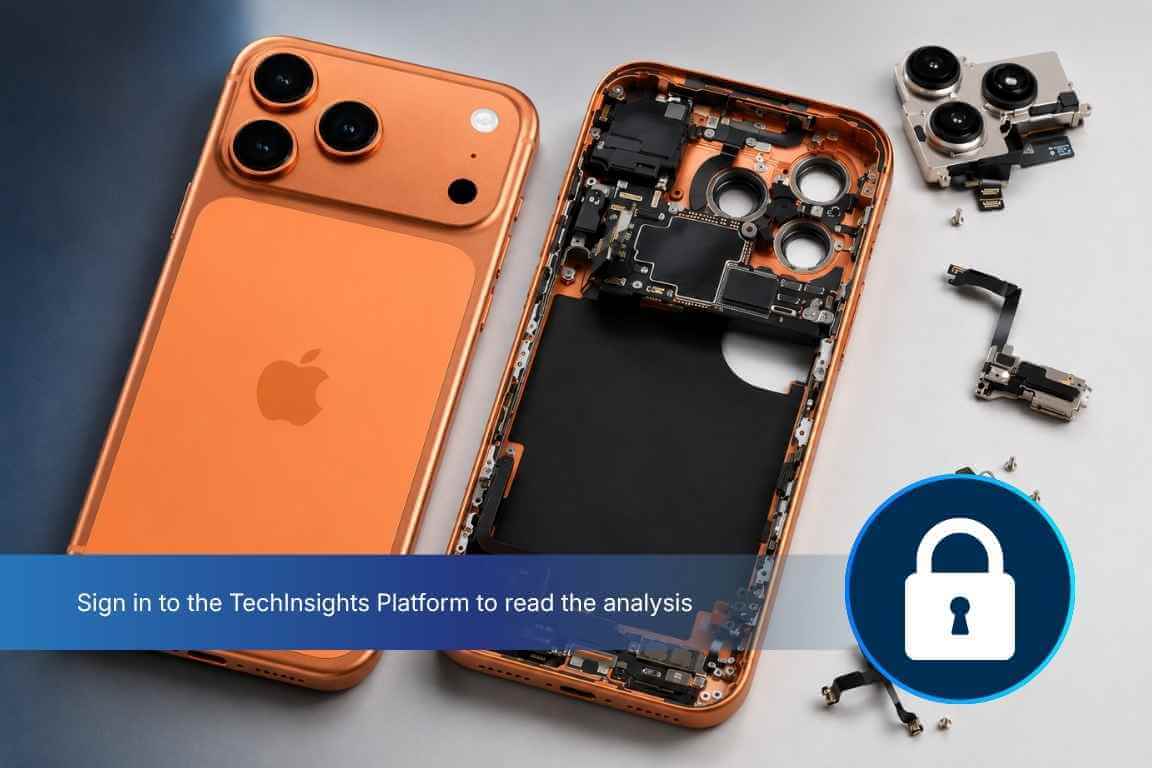
Figure 1 – TechInsights' teardown of the Apple iPhone 17 Pro Max uncovers a redesigned mmWave subsystem, new Sony camera sensors, the Apple N1 wireless module, and detailed BOM insights. (Source: TechInsights)
What's New in the iPhone 17 Pro Max?
Key findings from the TechInsights teardown include:
- Apple A19 Pro Hexa-Core processor
- Qualcomm Snapdragon X80 5G modem
- Apple N1 WiFi 7, Bluetooth 6, and Thread module
- New Ultra-Wideband (UWB) module
- Redesigned 5G mmWave subsystem using Qualcomm ICs
- New 18 MP camera featuring the Sony IMX914 sensor
- New 48 MP periscope camera featuring the Sony IMX973 sensor
- Aluminum enclosure replacing previous titanium designs
Which Components Drive the iPhone 17 Pro Max Cost?
Our BOM analysis shows the camera subsystem is the largest cost contributor, accounting for more than 27% of total manufacturing cost. The A19 Pro processor is the second-largest contributor, representing approximately 15% of the estimated BOM.
Compared to Samsung's Galaxy S25 Ultra, Apple allocates a larger portion of manufacturing cost to:
- Camera hardware
- RF and connectivity technologies
- Main enclosure materials
Overall, the iPhone 17 Pro Max carries an estimated BOM that is approximately 3% higher than the Samsung Galaxy S25 Ultra.
Why the RF Subsystem Matters
One of the most significant findings is Apple's new mmWave implementation. Unlike the iPhone 16 Pro Max, which utilized a USI-based solution, the iPhone 17 Pro Max adopts a new Qualcomm-powered mmWave architecture, reflecting Apple's continued focus on advanced 5G connectivity.