Huawei Pura 80 Teardown
Inside Huawei's Domestic Silicon Strategy
TechInsights' reverse engineering analysis identifies the previously undisclosed application/baseband processor in the base model, alongside a bill of materials in which camera hardware, not the processor, is the single largest cost category on the device.
Explore the Pura 80 Teardown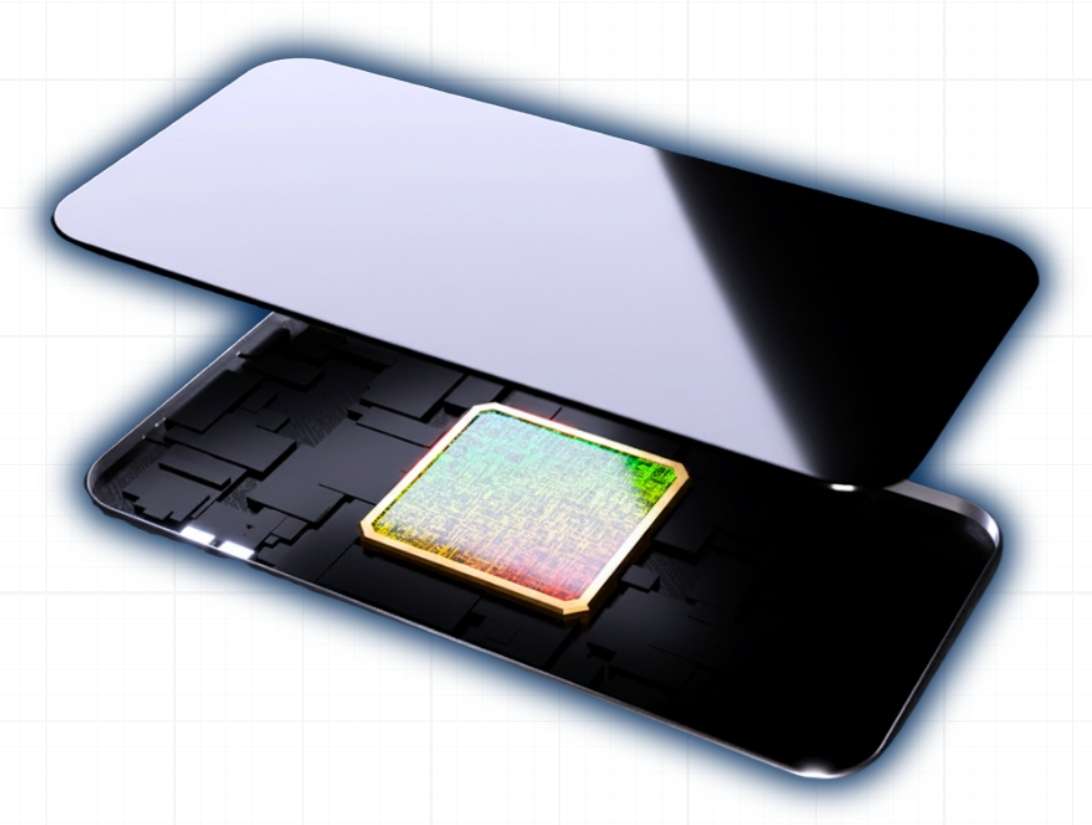
Why This Teardown Matters
The Processor Huawei Didn't Announce
Huawei never disclosed which processor powers the base Pura 80, and industry expectations held that neither the base model nor the Pura 80 Pro would ship with the rumored Kirin 9020. TechInsights' silicon-level analysis identifies the chip inside the device, and it isn't the one the industry was expecting.
Connectivity is handled by a second in-house component, reinforcing that Huawei is leaning further on internal silicon for core functions rather than third-party vendors. The full teardown lists both parts, their die-level architecture, and their ranking on the device's cost sheet.
A Camera System That Rivals the Processor
Across the triple rear camera array, camera hardware is one of the most heavily invested-in areas of the entire bill of materials, on par with or exceeding the processor itself.
- 50 MP wide-angle main sensor with OIS
- 12 MP periscope telephoto module - 5.5x optical zoom
- 13 MP ultra-wide shooter + front camera
- 1.5 MP multi-spectral sensor
For OEMs and component buyers, this underscores a wider shift already visible across premium Android flagships: camera subsystem investment, not raw processor spend, is increasingly the primary lever for differentiating cost and performance.
Memory Sourcing: Domestic DRAM, Imported NAND
The Pura 80 pairs mobile DRAM from a Chinese domestic supplier with NAND flash and a memory controller sourced from a South Korean supplier — two components, two very different sourcing strategies, on the same device.
This split, domestic volatile memory alongside imported non-volatile storage, is a useful signal for sourcing teams tracking how Chinese OEMs are localizing their supply chains component-by-component rather than all at once.
A teardown explains what Huawei built. For sourcing and supply chain teams, the next question is often how component costs and availability will change over time. Particularly for memory, where pricing has been volatile. TechInsights' Component Price Landscape (CPL) complements teardown analysis by tracking pricing and lead-time trends across 700+ commodity electronic component suppliers, helping organizations anticipate shortages, evaluate alternative suppliers, and make purchasing decisions before costs shift.
Access the teardown report
The full picture is available in the complete teardown
The Huawei Pura 80 demonstrates a device built around a camera-first investment and a deliberate component-by-component approach to sourcing silicon and memory. Its unannounced processor, camera-heavy BOM, and mixed DRAM/NAND sourcing strategy illustrate how Huawei is balancing self-sufficiency goals against the concrete realities of the current supply chain.
Combined with TechInsights' Component Price Landscape (CPL), this teardown gives engineering, procurement, and supply chain teams both the technical detail and the market intelligence needed to plan ahead of the Pura 90.
See Every Detail
Behind the Pura 80
Corporate email required. By submitting this form, you consent and agree to the creation of a TechInsights Platform account and agree to the terms of the End User License Agreement and Privacy Policy.