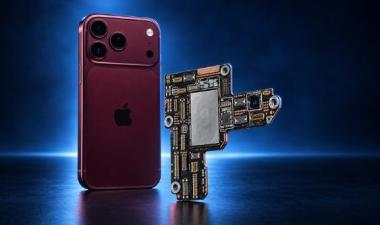
PC and Tablet Market Trends: AI PCs, Apple M5, and Rising Memory Costs
Three major forces are reshaping the PC and tablet market in 2026: the expansion of AI PCs, growing adoption of premium silicon platforms, and rising DRAM and NAND costs. Together, these trends are influencing device pricing, margins, product roadmaps, and competitive positioning across both consumer and enterprise markets. As vendors navigate uncertain demand and longer replacement cycles, differentiation increasingly depends on AI capabilities, system integration, and the ability to manage escalating component costs.
Key Takeaways
- AI PCs continue to be a major strategic focus for Dell, HP, Intel, Qualcomm, and Microsoft.
- Apple's M5 MacBook Pro and M-series iPads demonstrate the industry's shift toward premium silicon and higher-value devices.
- Rising DRAM and NAND pricing is increasing bill-of-materials costs and placing pressure on margins.
- Processor vendors are increasingly relying on premiumization and advanced AI capabilities to drive revenue growth.
- Tablet market growth is slowing as replacement demand fades and vendors face higher memory costs.
Figure 1 – TechInsights analyzes the key technologies, product launches, and market forces shaping the future of PCs and tablets, from Apple M5 devices and Intel Panther Lake AI PCs to processor forecasts, enterprise AI strategies, and tablet market trends. (Source: TechInsights)
Throughout the month, TechInsights analyzed the products, technologies, and market developments driving these trends.
Our teardown of Apple's MacBook Pro 14-inch M5 reveals how premium silicon, unified LPDDR5x memory, and NAND storage are reshaping notebook economics. By comparing the latest model with its predecessor, we identify the component-level decisions driving bill-of-materials changes and examine the impact on Apple's hardware margins and long-term product strategy.
We also evaluated Apple's newest tablets—the M4 iPad Air and M5 iPad Pro—to understand how performance improvements, battery life enhancements, and software capabilities fit into the company's broader ecosystem strategy. As Apple continues to blur the lines between tablets and PCs, we assess how these devices are positioned to attract new users while complementing the company's Mac portfolio.
On the Windows side, TechInsights examined HP's OmniBook X16, providing an in-depth look at Intel's Panther Lake 18A platform and its role in the emerging AI PC market. Our teardown analysis highlights how processor architecture, memory placement, packaging technology, and system integration influence device costs and competitive positioning relative to Apple's vertically integrated approach.
Enterprise computing was another major focus as Dell and HP introduced new commercial PCs and workstations designed for the AI era. TechInsights explored how both companies are evolving beyond traditional refresh-driven strategies and building broader AI platforms that connect client devices with enterprise infrastructure, governance frameworks, and IT management tools. These initiatives reflect a growing industry emphasis on long-term platform value rather than hardware specifications alone.
Beyond device launches, our latest market forecasts provide critical insight into the future of client computing. The updated PC and Tablet Processor Forecast examines how advanced process technologies, AI acceleration, premium silicon, and growing Arm adoption are reshaping the competitive landscape. We also assess the impact of new entrants and ecosystem shifts that could redefine market dynamics over the coming years.
Meanwhile, our Tablet Market Share analysis explores how fading replacement demand, inventory management challenges, and rising memory costs are influencing vendor performance. While the tablet market has experienced multiple quarters of growth, mounting cost pressures and changing consumer purchasing patterns are creating new challenges for manufacturers seeking to maintain both volume and profitability.