Samsung Display Flex Titanium: Why Materials Innovation Is Becoming the Next Battleground in Foldable OLEDs
Competition in foldable OLED displays is entering a new phase. While early innovation focused on hinge design and display reliability, materials engineering and display stack architecture are becoming the next points of differentiation as competition intensifies across the OLED supply chain.
Samsung Display's new Flex Titanium platform is designed for this new stage of competition. The technology combines a titanium-alloy film with a redesigned display structure to improve durability, reduce crease visibility, and preserve the thin, lightweight designs expected in premium foldable smartphones. It also arrives as Chinese display manufacturers continue closing the technology gap in foldable OLED panels.
According to TechInsights Mobile Tech Semiconductor Markets Research, Samsung Display holds more than 45% of the global smartphone display panel market and nearly 50% of the OLED market. It also remains the leading supplier of foldable OLED panels to major smartphone OEMs. Flex Titanium is the company's latest effort to strengthen that position.
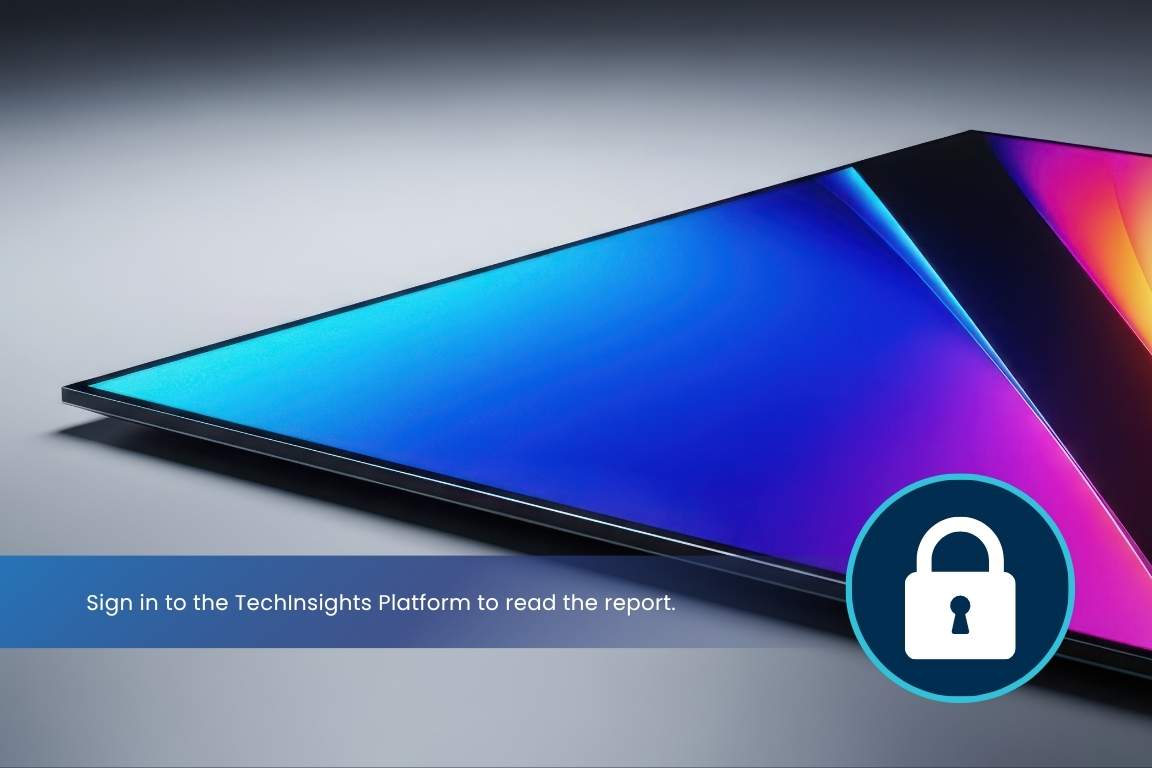
Figure 1 – Samsung Display's Flex Titanium uses advanced materials to improve foldable OLED displays as competition reshapes the premium smartphone market. (Source: TechInsights)
Why Materials Innovation Matters in Foldable OLED Competition
Chinese panel suppliers, including BOE, TCL CSOT, and Visionox, have advanced their ultra-thin glass (UTG) and colorless polyimide (CPI) technologies, helping them secure important foldable OLED design wins with domestic smartphone manufacturers. As a result, Samsung Display has faced growing pressure in the smartphone OLED market.
Rather than competing on manufacturing scale or cost alone, Samsung Display is focusing on premium display engineering. Flex Titanium integrates a titanium alloy film beneath the OLED panel, along with a titanium support plate within the display stack. The structure is designed to improve durability, reduce visible creasing, and enable slimmer devices while maintaining the flexibility required for repeated folding.
The design also uses precision hole-processing technology within the titanium support plate to preserve flexibility without sacrificing strength. According to the company, removing air gaps between the display module and adhesive improves support around the folding area and helps reduce the appearance of the display crease.
How Samsung Display Is Competing in the Foldable OLED Market
TechInsights expects Samsung Display to maintain its leadership in foldable panel supply through additional design wins with major customers. Flex Titanium represents an important advancement in the company's foldable OLED platform, reinforcing its position as Chinese display panel suppliers continue narrowing the gap in OLED manufacturing capabilities.
As foldable smartphones increasingly compete on overall user experience rather than form factor alone, improvements in durability, display quality, power efficiency, and thinner designs are likely to become more important competitive differentiators. Flex Titanium shows how materials engineering is becoming a defining competitive advantage in the next generation of foldable OLED displays.